
Gambling's influence on social dynamics A deeper exploration of its consequences
Understanding Gambling’s Social Impact
Gambling has long been a part of human culture, influencing social interactions and community dynamics. It often serves as a social lubricant, bringing people together in various settings, from casinos to informal game nights. However, while it can foster connections, it can also lead to negative consequences, such as addiction and social isolation. To learn more about this topic, you can open website that delves into these complexities. The dual nature of gambling means that its influence on social dynamics is complex and multifaceted.
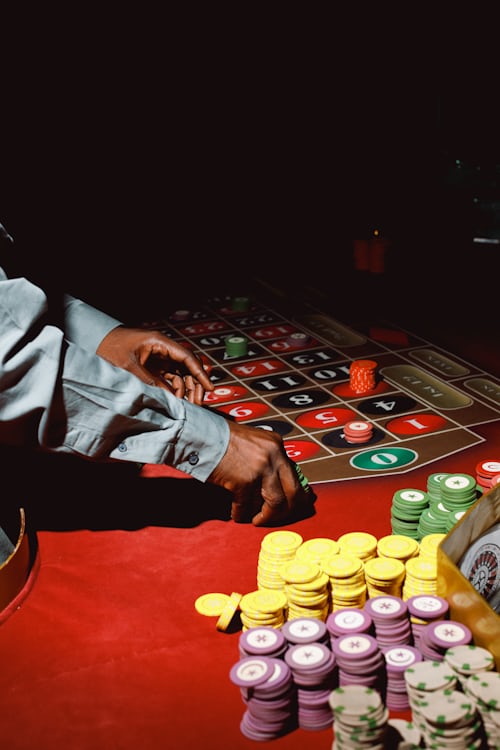
As gambling continues to evolve with advancements in technology, the way individuals engage with this activity has transformed. Online platforms and mobile applications have made gambling more accessible, enabling people to participate from the comfort of their homes. This convenience can lead to increased gambling behavior and, subsequently, a greater impact on social structures, altering traditional interactions and relationships.
The Role of Regulations in Gambling
Legal regulations play a critical role in shaping gambling behavior and its societal consequences. Governments implement laws to control the gambling industry, aiming to protect consumers while also generating revenue. Effective regulations can mitigate some of the adverse effects of gambling, such as problem gambling and associated financial distress, by promoting responsible gaming practices.
Furthermore, regulations can influence the types of gambling available within a community, which can either enhance or inhibit social dynamics. For example, legalized casinos can contribute to local economies by creating jobs and attracting tourism. However, an influx of gambling venues may also increase the risk of gambling-related harm, necessitating a delicate balance between economic benefits and social responsibility.
The Psychological Effects of Gambling
The psychological implications of gambling extend far beyond the individual, impacting social relationships and community structures. People often gamble for various reasons, including escapism, social interaction, or the thrill of winning. However, excessive gambling can lead to mental health issues such as anxiety and depression, not just for the gambler but also for their families and friends.
Additionally, gambling can alter social norms and behaviors within a community. When gambling is seen as an acceptable pastime, it can lead to normalization, encouraging more individuals to participate. This shift may change the perception of risk and responsibility, potentially leading to greater social acceptance of gambling-related issues.
Gambling and Community Dynamics
Communities can experience significant changes due to gambling activities. In areas where gambling is prevalent, social gatherings often revolve around gaming, which can enhance social cohesion among participants. However, this can also create divisions, as those who do not engage in gambling may feel excluded or marginalized.
Moreover, the economic implications of gambling can affect community dynamics. While gambling can create jobs and stimulate local businesses, it can also lead to increased crime rates, addiction problems, and a decline in overall community well-being. These contrasting effects underscore the need for ongoing dialogue about the role of gambling in society.
Your Guide to Responsible Gambling
Understanding the complexities of gambling’s influence on social dynamics is crucial for making informed decisions. Responsible gambling practices can help mitigate the negative consequences while still allowing individuals to enjoy the social aspects of gaming. For those interested in exploring legal gambling options, it is essential to prioritize safety and responsibility.
Resources are available to support individuals in navigating the gambling landscape, ensuring a balanced approach that fosters positive social interactions. Engaging with platforms that promote responsible gaming can help create an enjoyable and safe experience for all participants, ultimately contributing to healthier social dynamics.
